Shalya Tantra is one of the eight major branches of Ayurveda (Ashtanga Ayurveda), primarily concerned with the diagnosis and surgical management of diseases, injuries, wounds, and conditions requiring procedural intervention. It is traditionally associated with the principles of surgical care described in classical Ayurvedic texts, particularly the teachings of Acharya Sushruta.
The Department of Shalya Tantra focuses on the clinical assessment and management of selected surgical conditions through appropriate surgical procedures, wound care, para-surgical techniques, and individualised treatment planning.
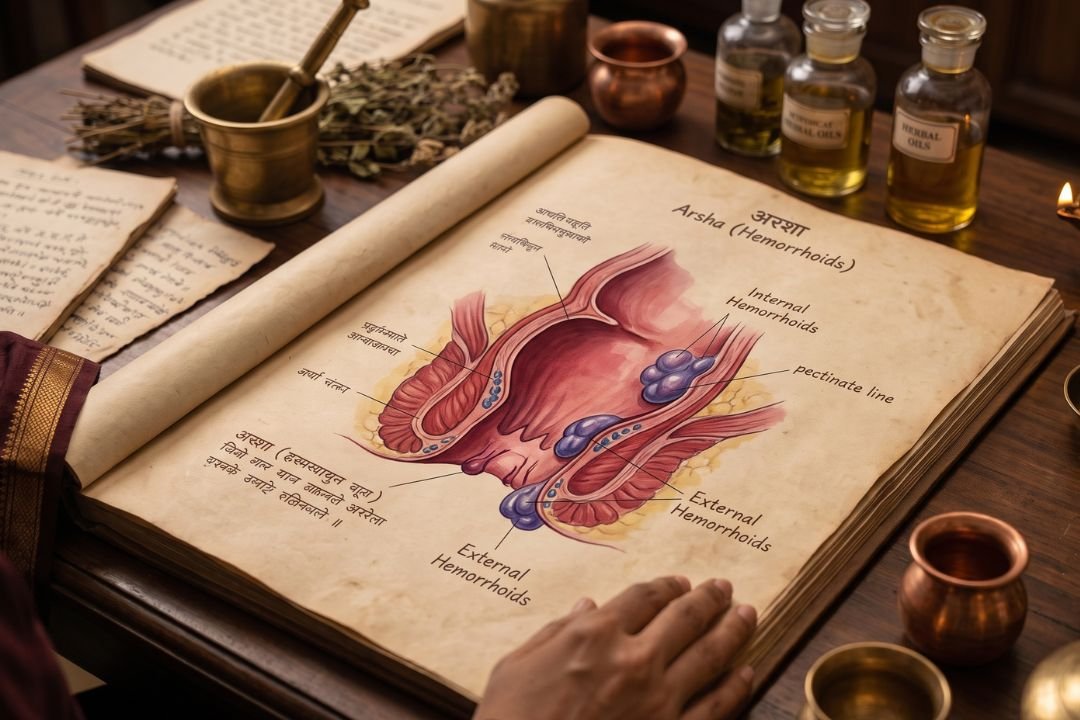
Arsha is an Ayurvedic disease category commonly associated with haemorrhoids or piles. It may present with bleeding during defecation, discomfort, itching, swelling, or a protruding mass around the anal region.
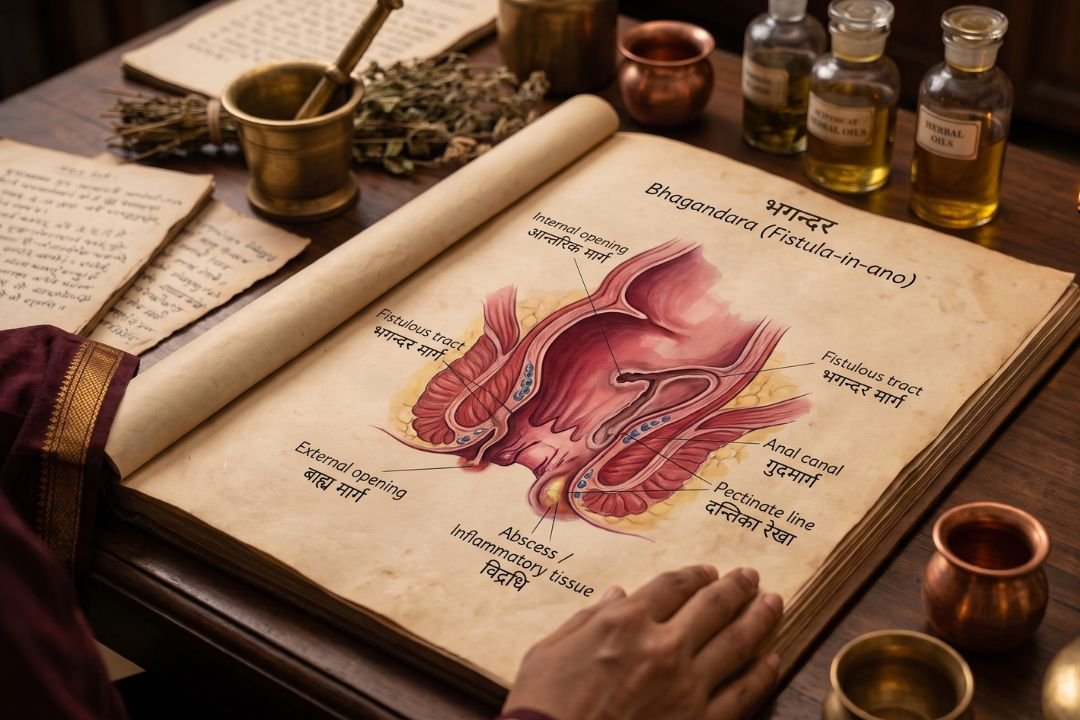
Bhagandara is an Ayurvedic disease category commonly associated with fistula-in-ano, a chronic abnormal connection between the anal canal and the perianal skin.
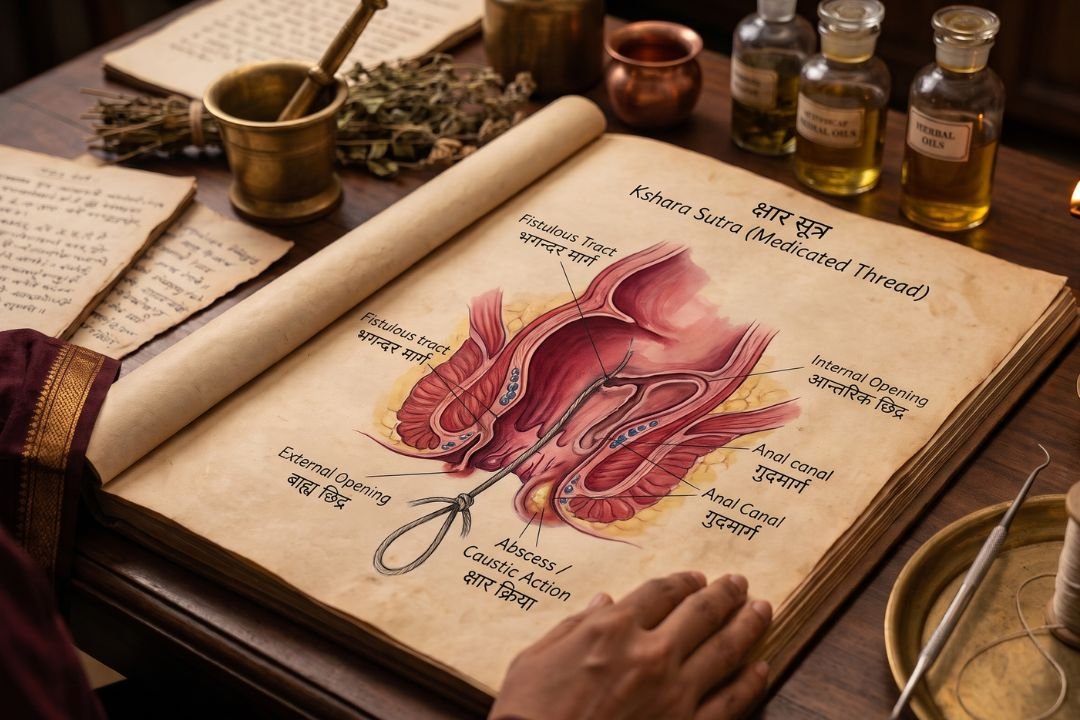
Kshara Sutra is a specialised Ayurvedic para-surgical technique involving a medicated thread used in selected conditions, particularly certain cases of fistula-in-ano and related anorectal disorders.
The procedure requires appropriate patient selection, trained practitioners, sterile technique, and a planned schedule of clinical review and thread management.
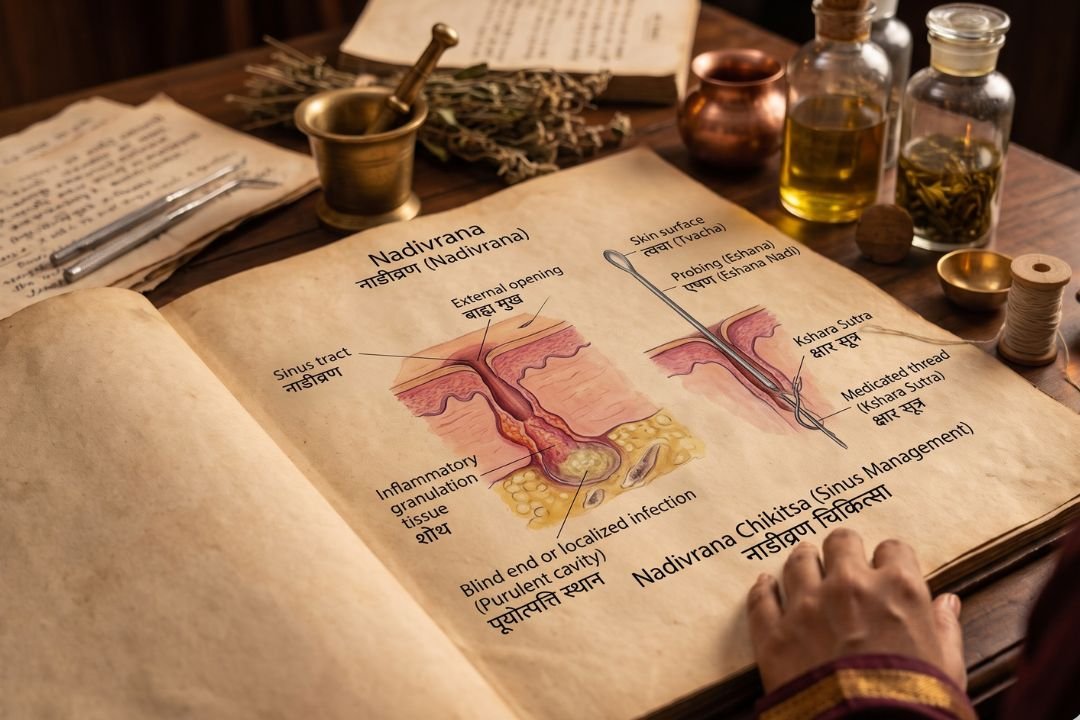
Nadivrana is an Ayurvedic disease category associated with sinus-like tracts. Depending on its location and clinical features, it may overlap with conditions such as pilonidal sinus or other chronic draining sinuses.
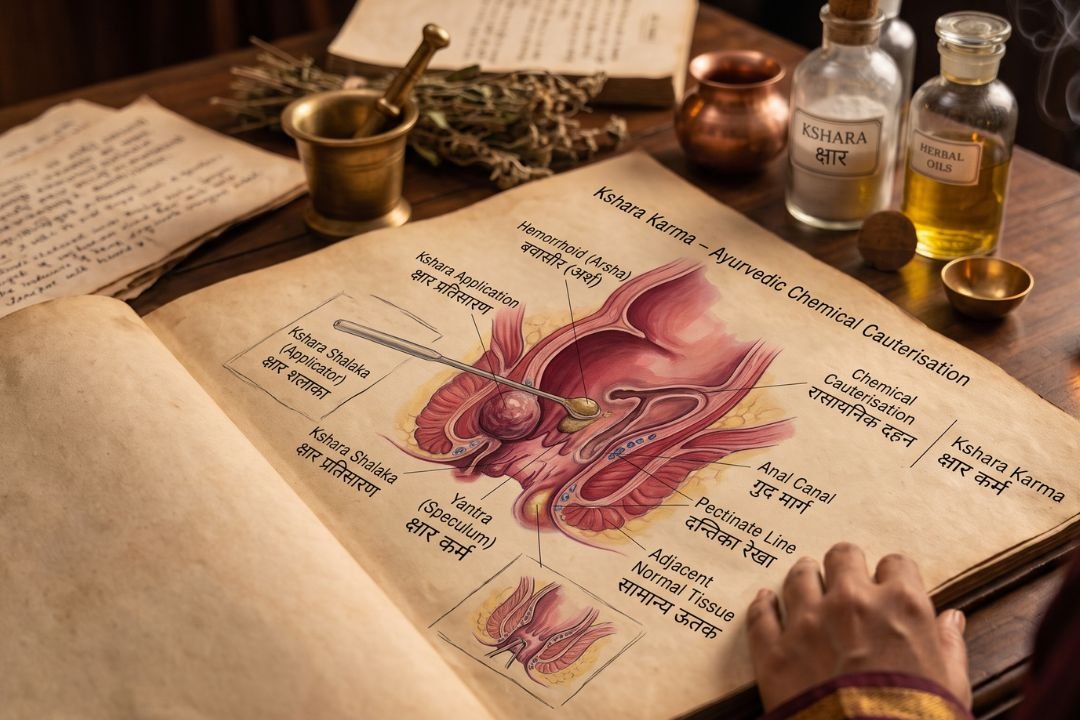
Kshara Karma is a traditional Ayurvedic para-surgical procedure involving the controlled application of a prescribed alkaline preparation to selected tissues under appropriate clinical supervision.
It is used in certain conditions where the procedure is considered appropriate after proper assessment.
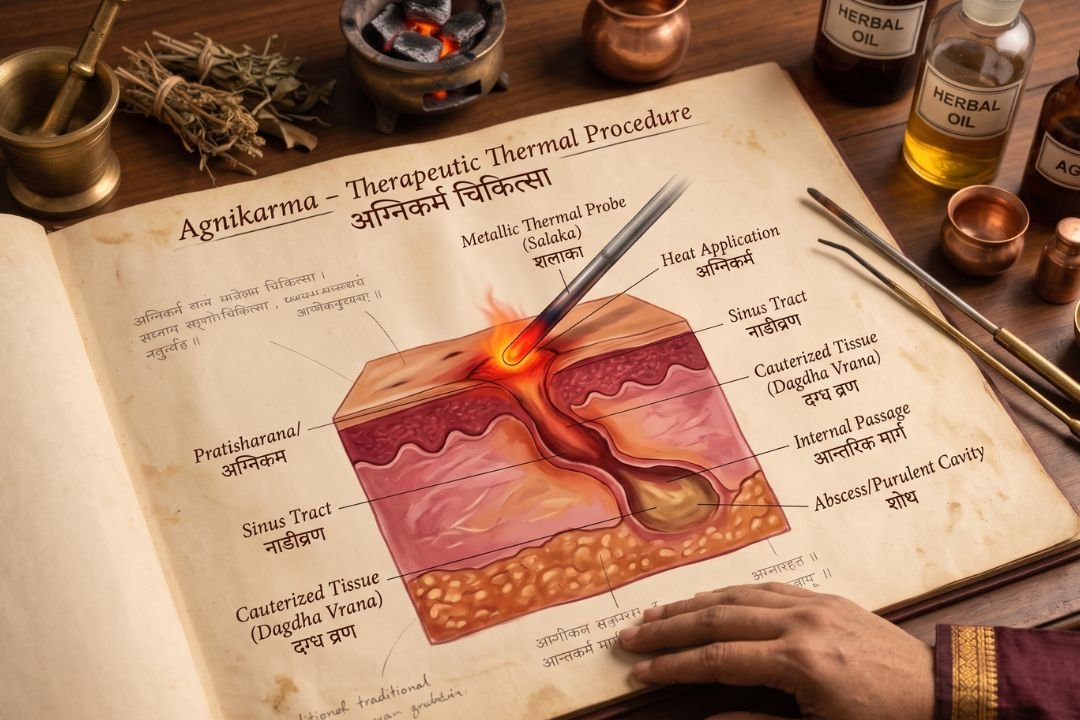
Agnikarma is a traditional Ayurvedic para-surgical procedure involving the controlled application of therapeutic heat to selected areas of the body.
It may be considered for specific pain-related or musculoskeletal conditions.
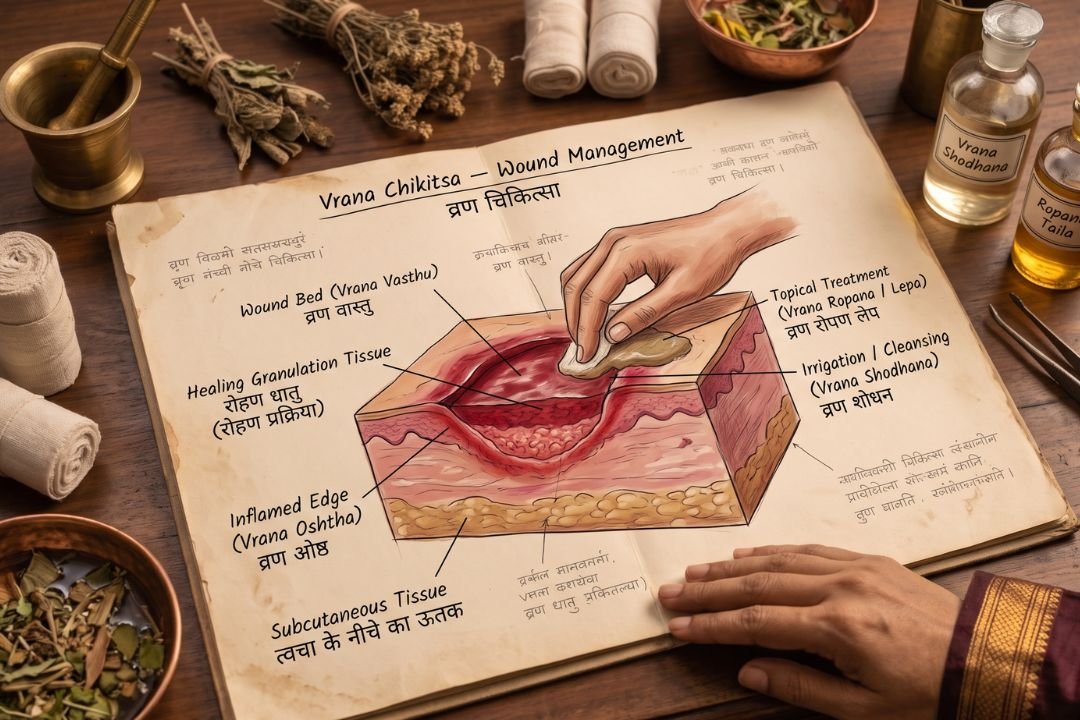
Vrana refers to a wound or tissue injury in Ayurveda. Wound management focuses on evaluating the cause, depth, extent, infection risk, surrounding tissues, and factors affecting healing.
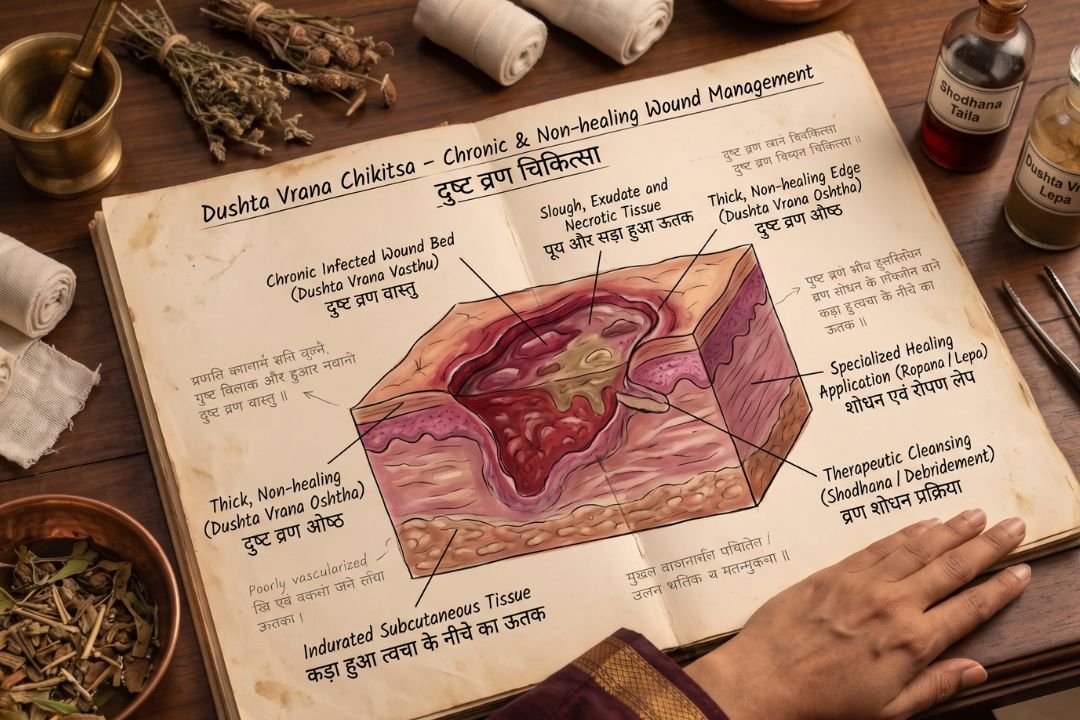
Dushta Vrana is an Ayurvedic term associated with wounds that exhibit features such as persistent discharge, unhealthy tissue, inflammation, or delayed healing.
Chronic wounds may result from diabetes, poor circulation, infection, pressure injury, or other underlying conditions.
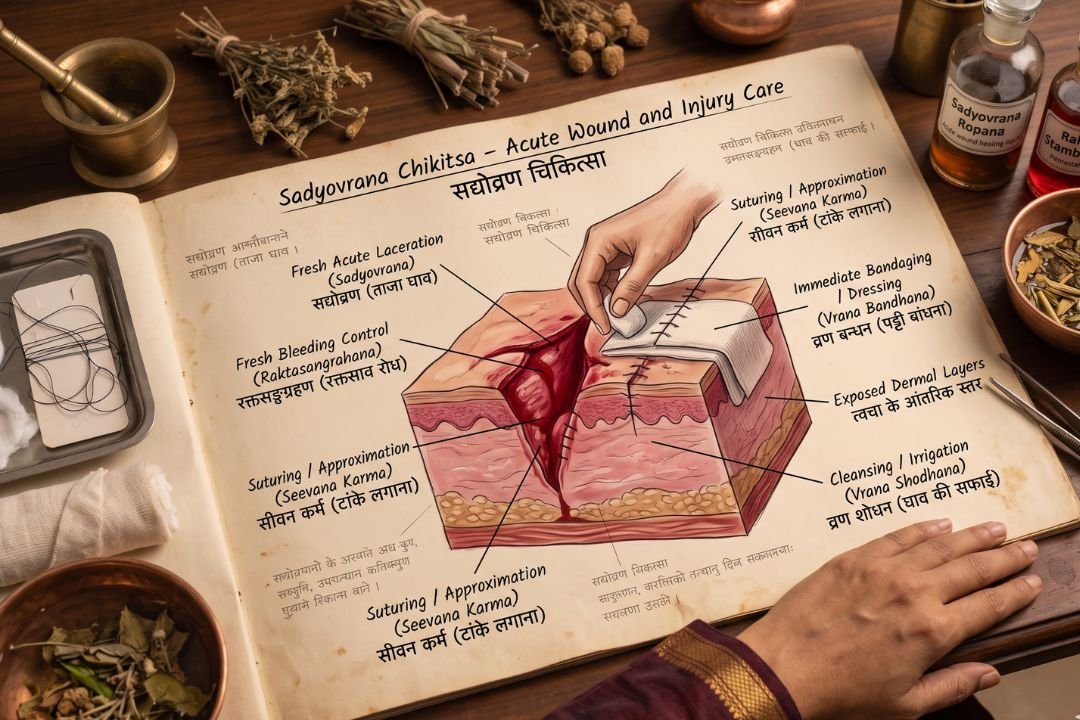
Sadyovrana refers to an acute wound or recent tissue injury. Management depends on the mechanism of injury, wound depth, contamination, bleeding, and involvement of underlying structures.
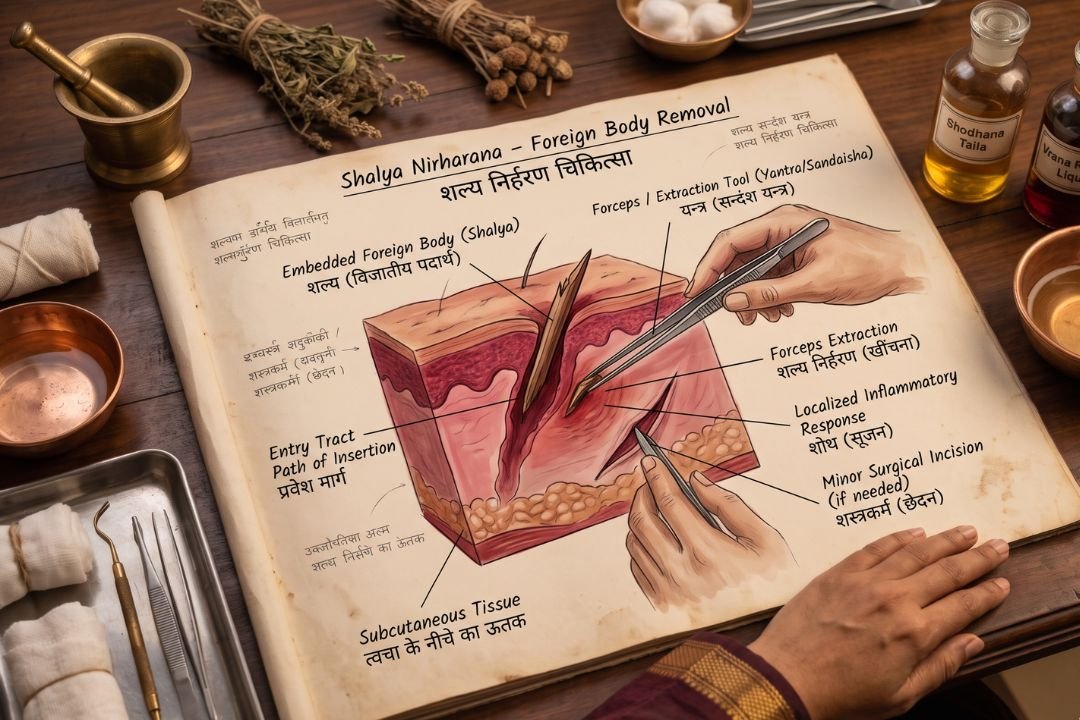
Shalya Nirharana refers to the removal of foreign material from tissues. In Ayurvedic surgical terminology, Shalya includes foreign bodies and other materials requiring removal.
Classical Ayurvedic surgical descriptions include various operative techniques, such as:
These are traditional procedural categories. Their modern clinical application depends on the diagnosis, anatomical site, available facilities, professional qualifications, and accepted surgical standards.
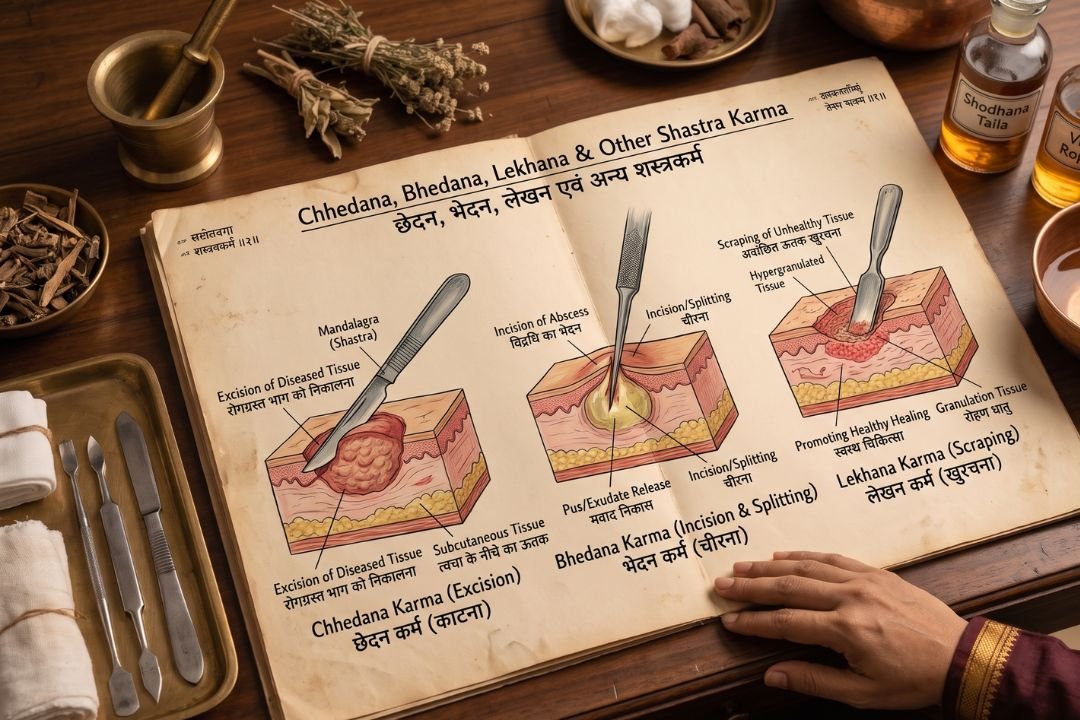
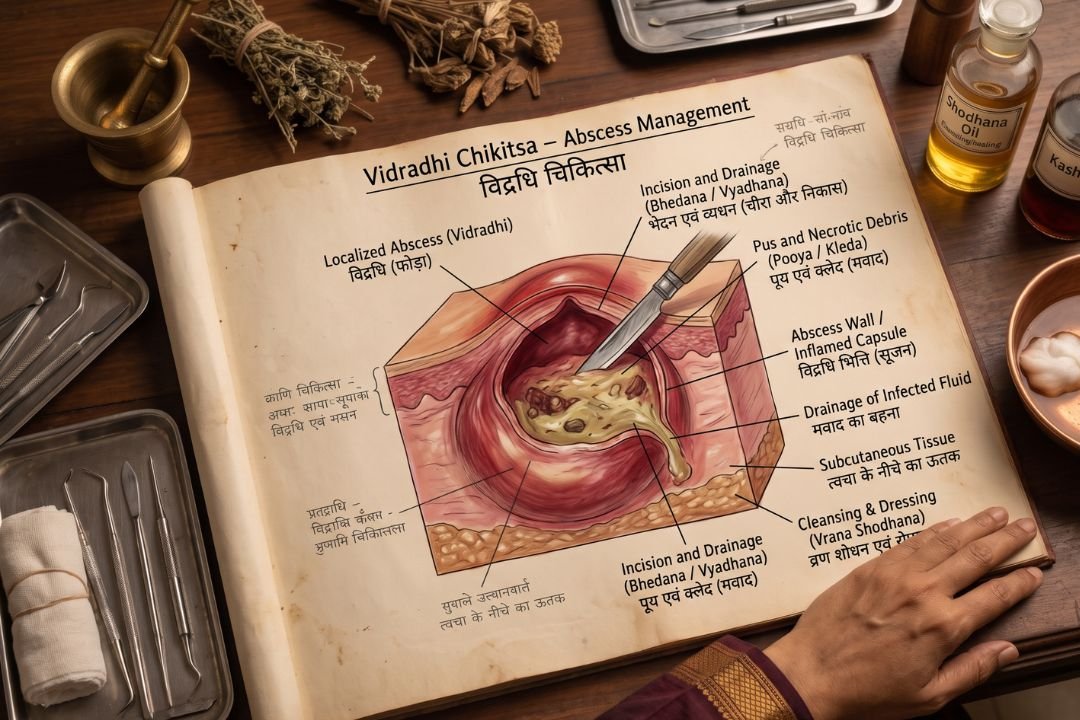
Vidradhi is an Ayurvedic disease category associated with abscess-like inflammatory swellings. An abscess is a local collection of pus that may require drainage or other medical treatment.
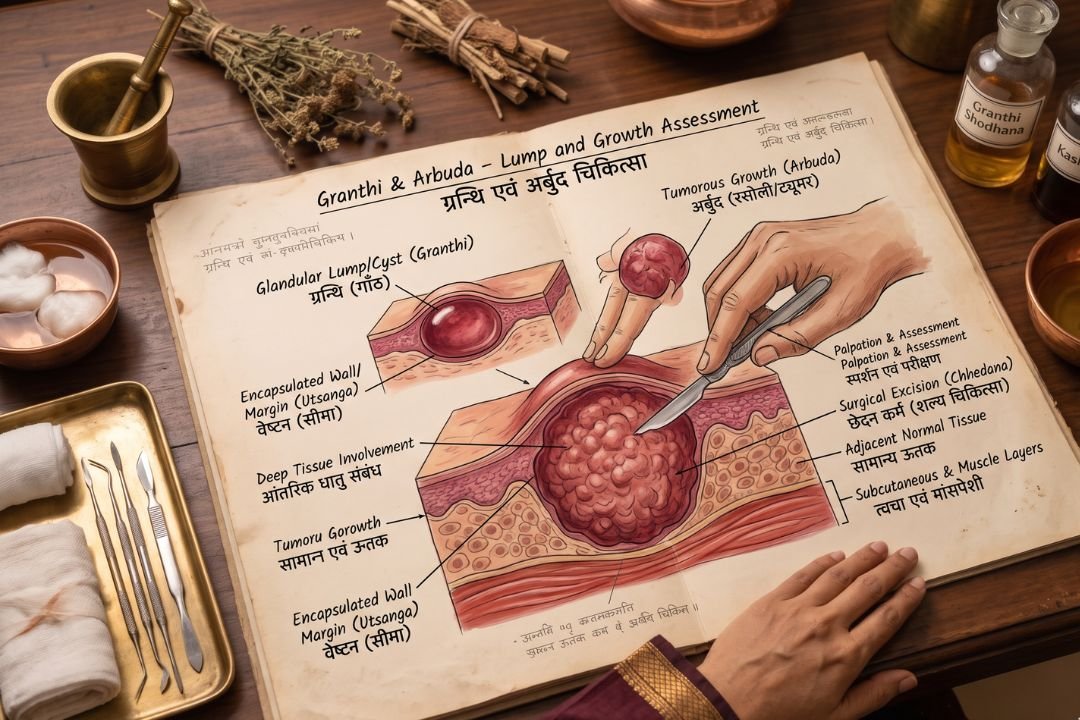
Granthi and Arbuda are classical Ayurvedic disease categories associated with certain nodular swellings and growths. These terms should not automatically be equated with a specific modern diagnosis.
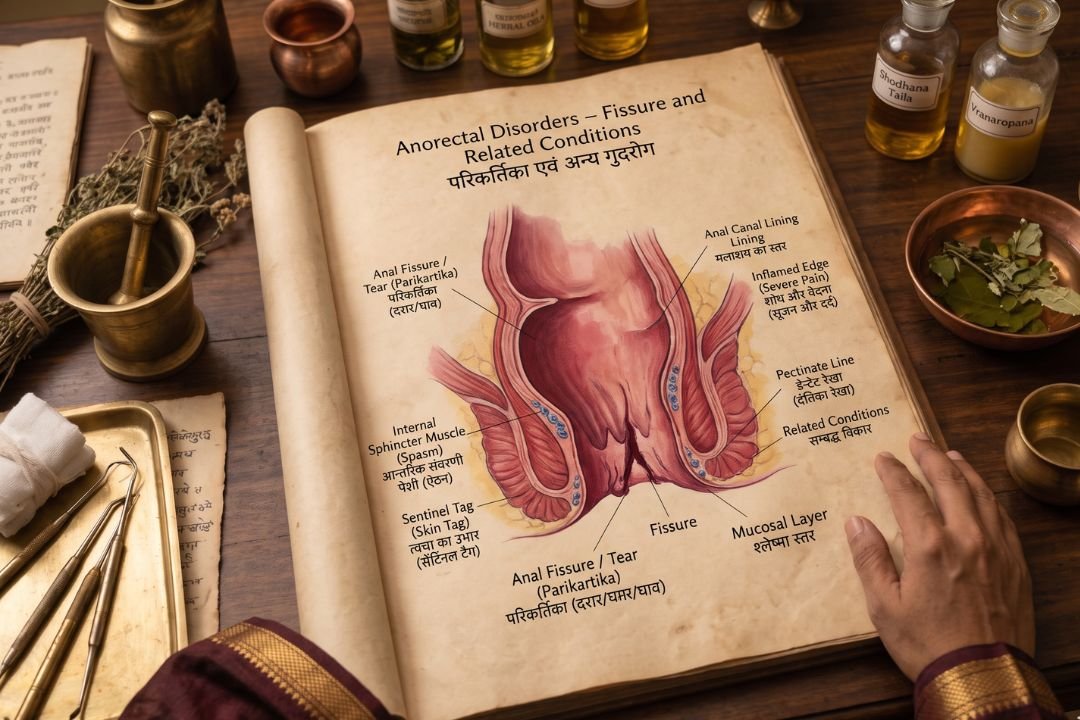
Anorectal disorders affect the anal canal and surrounding tissues. They may cause pain during defecation, bleeding, itching, swelling, discharge, or difficulty passing stools.
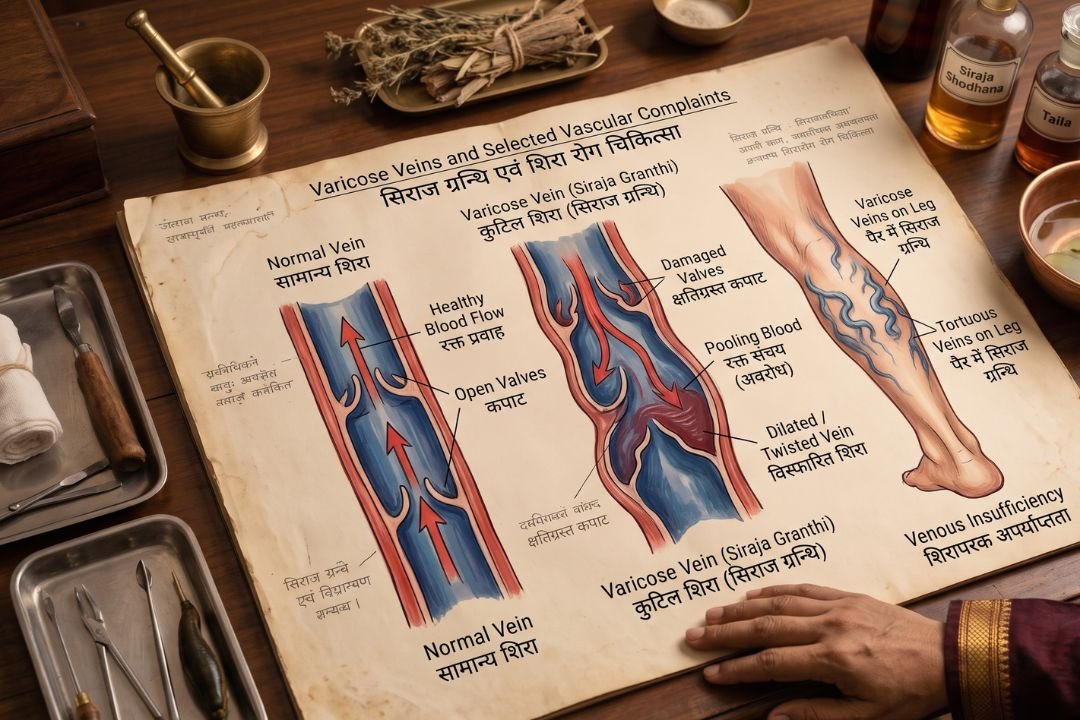
Varicose veins are enlarged, twisted superficial veins, usually affecting the legs. They may cause heaviness, aching, swelling, or skin changes.
Depending on the department’s facilities, practitioner qualifications, and the patient’s clinical requirements, selected para-surgical procedures may include the following.
A controlled alkaline application used in selected conditions under specialist supervision.
A medicated-thread technique used in appropriately selected fistula-in-ano and certain other tract-related conditions.
A controlled therapeutic thermal procedure considered for selected musculoskeletal and pain-related conditions.
A traditional Ayurvedic bloodletting procedure described in classical texts. It requires strict patient selection, appropriate training, infection-control measures and assessment of bleeding-related risks.
Traditional concepts associated with wound cleansing and wound healing. Modern wound care must also address infection, tissue viability, circulation, underlying disease, and the need for specialist intervention.
The treatment offered depends on the confirmed diagnosis, disease severity, procedural suitability, professional expertise, and the department’s available infrastructure. Conditions requiring advanced surgery, emergency intervention, or specialist treatment should be referred appropriately.
Consult the Department of Shalya Tantra for the assessment and management of selected surgical conditions, anorectal disorders, wounds, and para-surgical treatment requirements.