Panchakarma is one of the major therapeutic approaches in Ayurveda, traditionally comprising specialised procedures intended for therapeutic purification and management of Dosha imbalance. The treatment approach is individualised according to the patient’s Prakriti, Vikriti, Dosha status, digestive capacity, strength, age, lifestyle and overall health condition.
The principal Panchakarma procedures include Vamana, Virechana, Basti, Nasya and Raktamokshana. Depending on the patient’s clinical requirements, preparatory and supportive therapies such as Snehana, Swedana, Abhyanga, Shirodhara, Kati Basti, Janu Basti and other specialised Ayurvedic procedures may also be incorporated into the treatment plan
Each procedure is chosen only after individual assessment, and only some patients will need all of them.
Vamana Karma is a physician-supervised Ayurvedic therapeutic procedure in which appropriately selected medicines are administered to induce controlled therapeutic emesis. In Ayurveda, Vamana is traditionally associated primarily with the management of Kapha-dominant conditions.
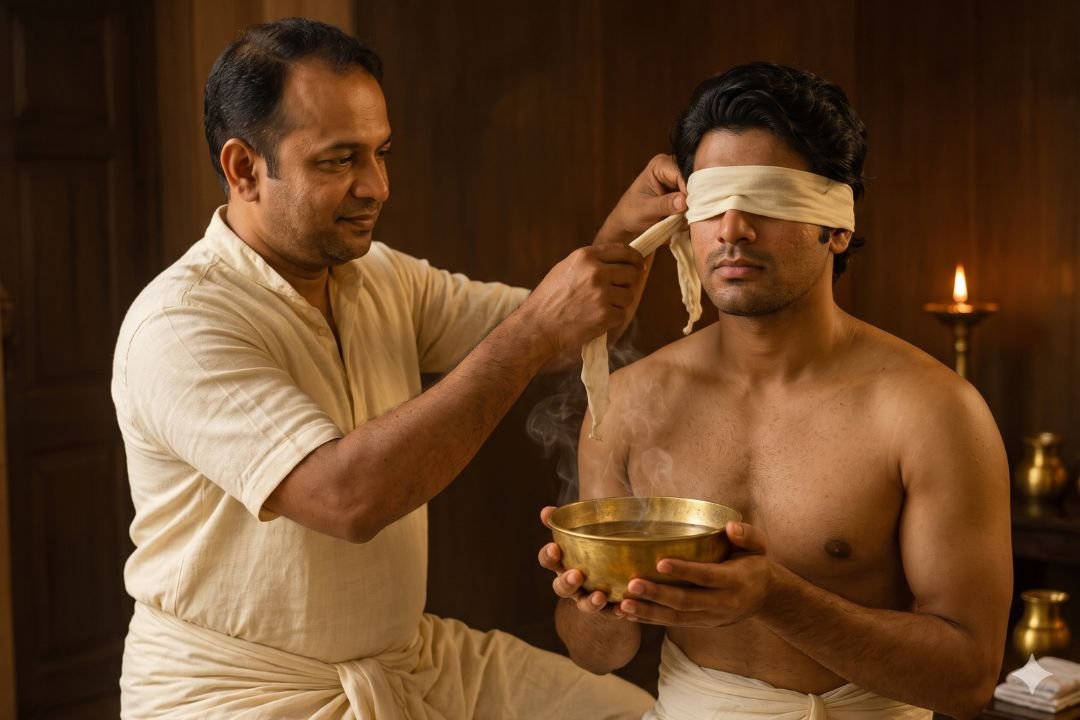
Virechana Karma is a controlled therapeutic purgation procedure traditionally used in Ayurveda, particularly for the management of Pitta-dominant conditions.
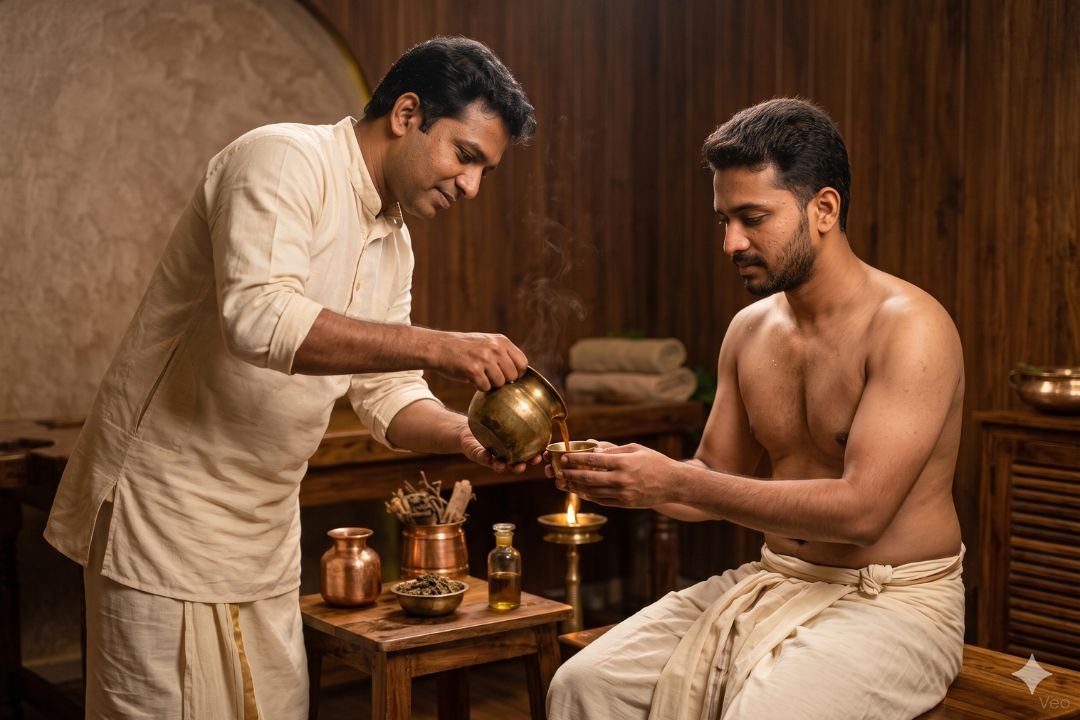
Basti Karma involves the therapeutic administration of prescribed medicated oil, ghee, herbal decoctions or other appropriate formulations through the rectal route. In Ayurveda, Basti is traditionally considered particularly important in the management of Vata-related disorders.
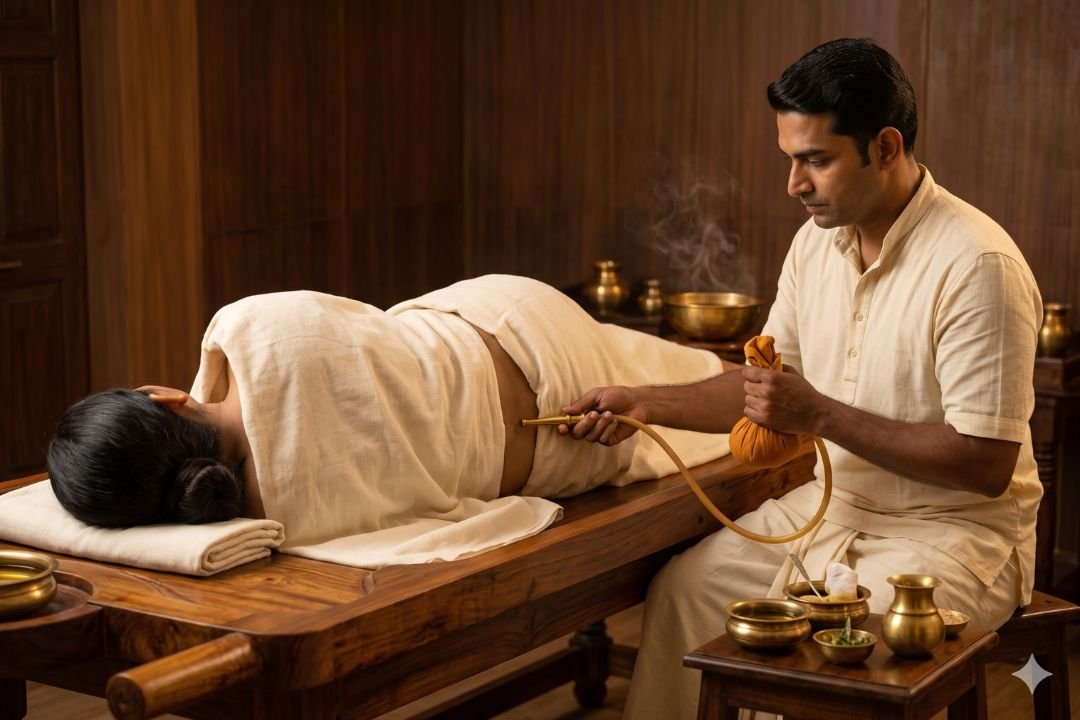
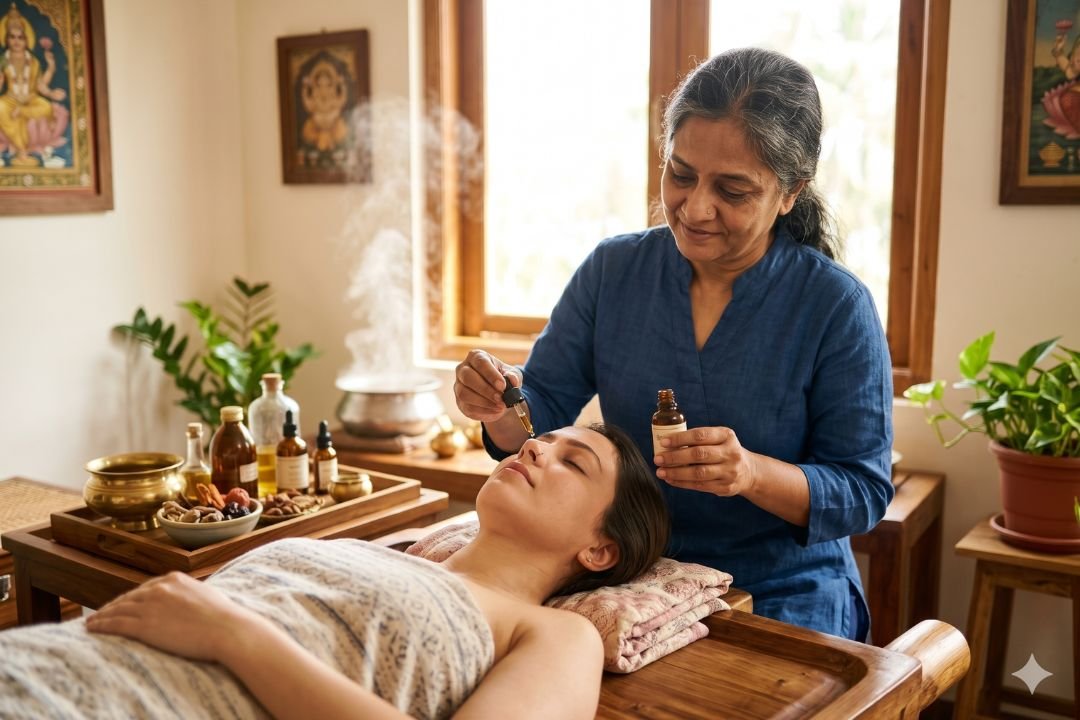
Nasya Karma involves the administration of appropriately selected Ayurvedic medicines, commonly medicated oils, through the nasal route.
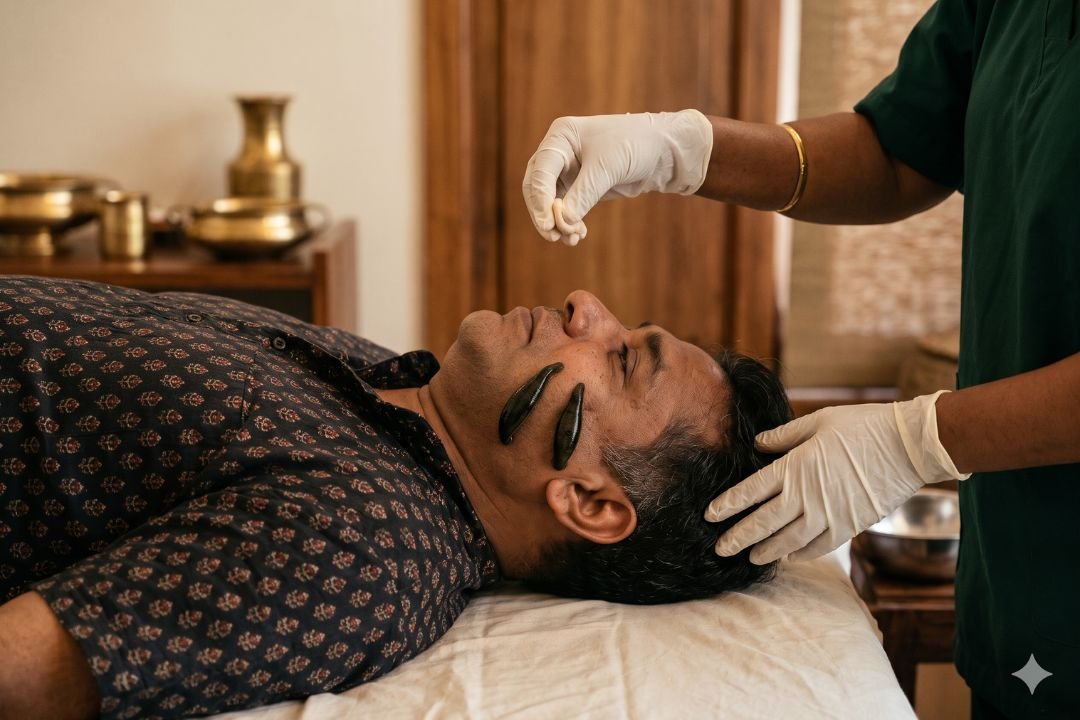
Raktamokshana is a traditional Ayurvedic bloodletting procedure described among classical therapeutic purification approaches. It is considered only in carefully selected cases following appropriate clinical assessment.
The following therapies may be used independently or as part of a broader Ayurvedic treatment programme, depending on the patient’s individual requirements.
Snehana is the therapeutic use of medicated oil or ghee, either internally or externally, as prescribed by an Ayurvedic physician. It is also commonly used as a preparatory procedure before selected Panchakarma therapies.
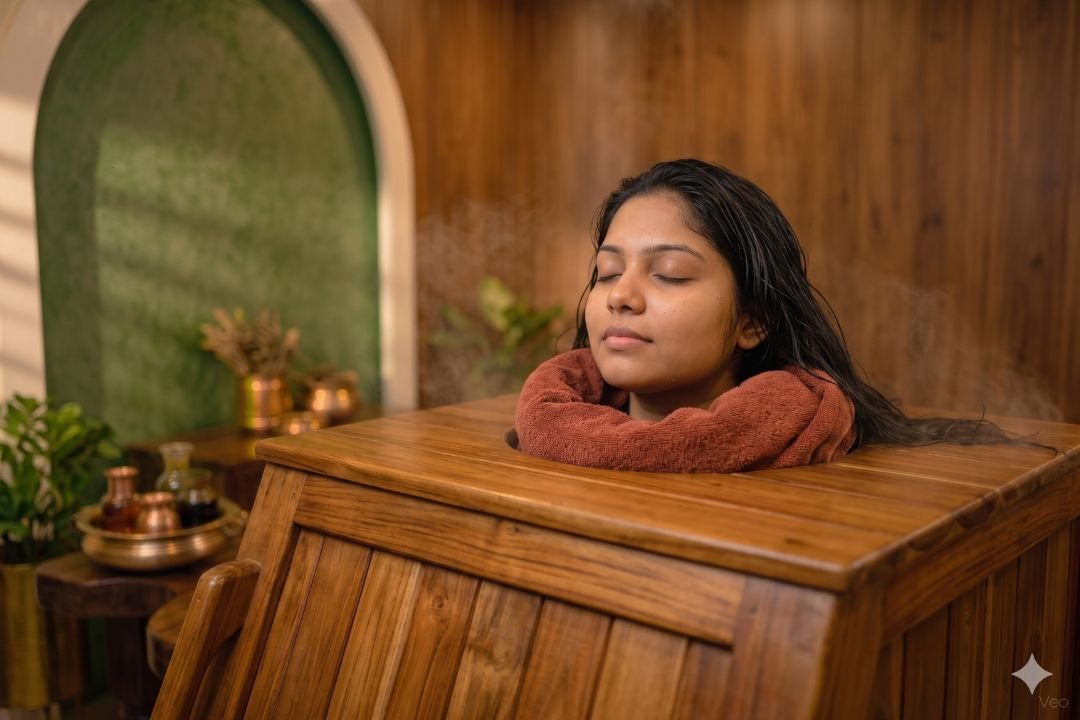
Swedana is a therapeutic sudation procedure involving controlled heat or herbal steam, selected according to the patient’s condition.
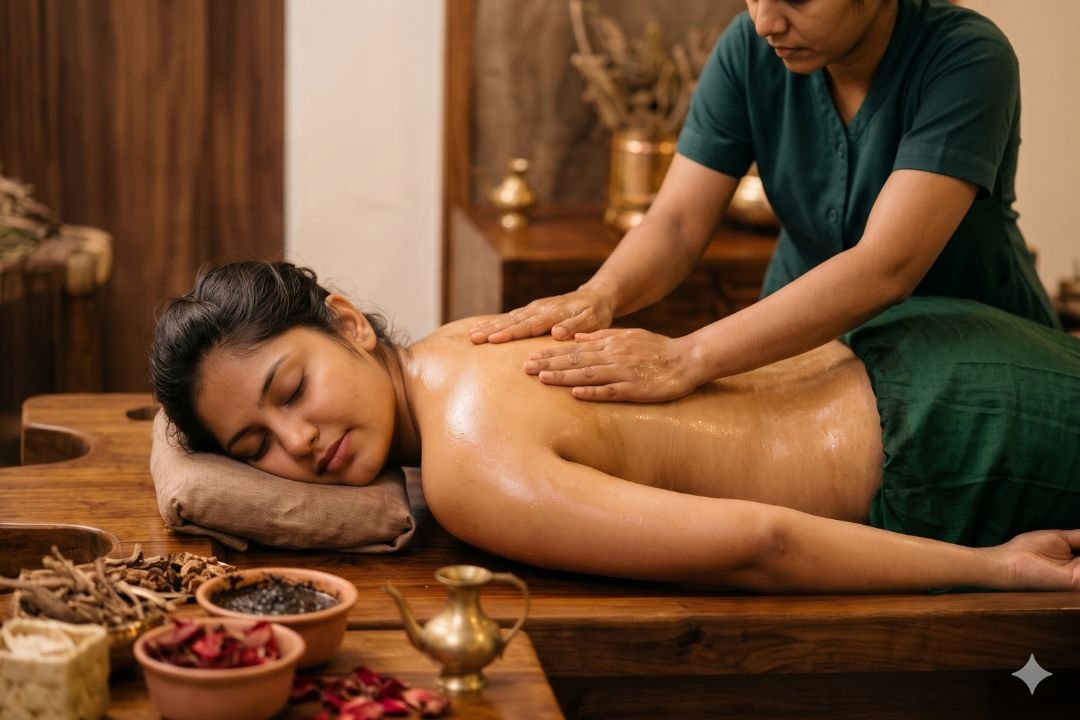
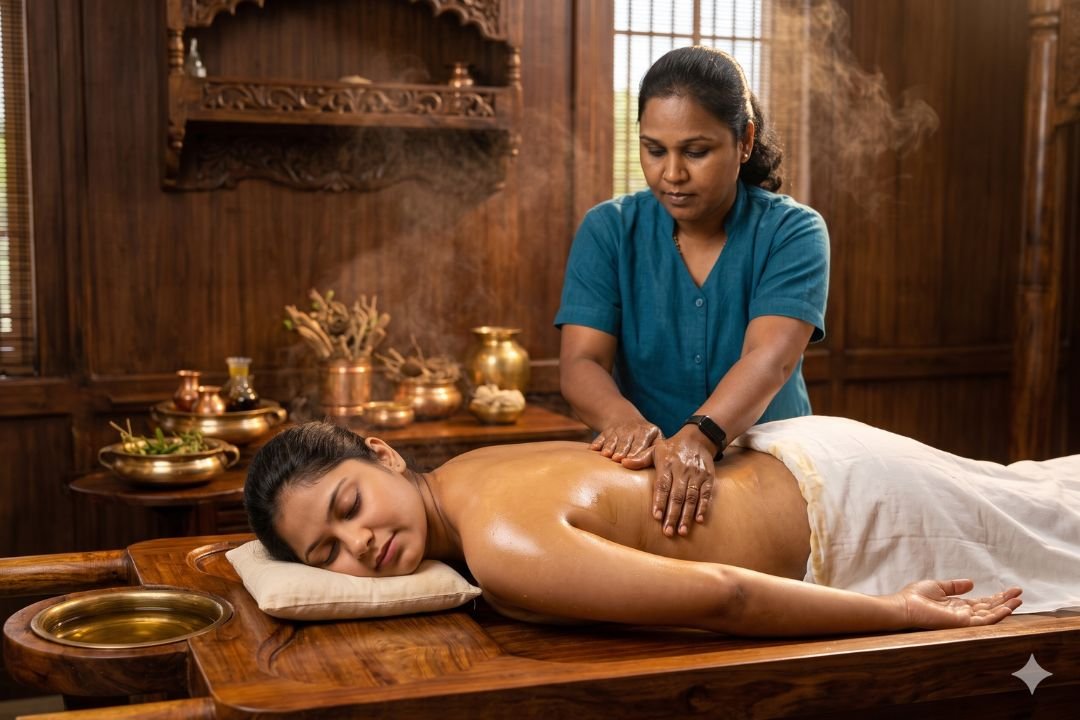
Abhyanga is a traditional Ayurvedic therapeutic massage using appropriately selected medicated or suitable oils over the entire body or specific body areas.
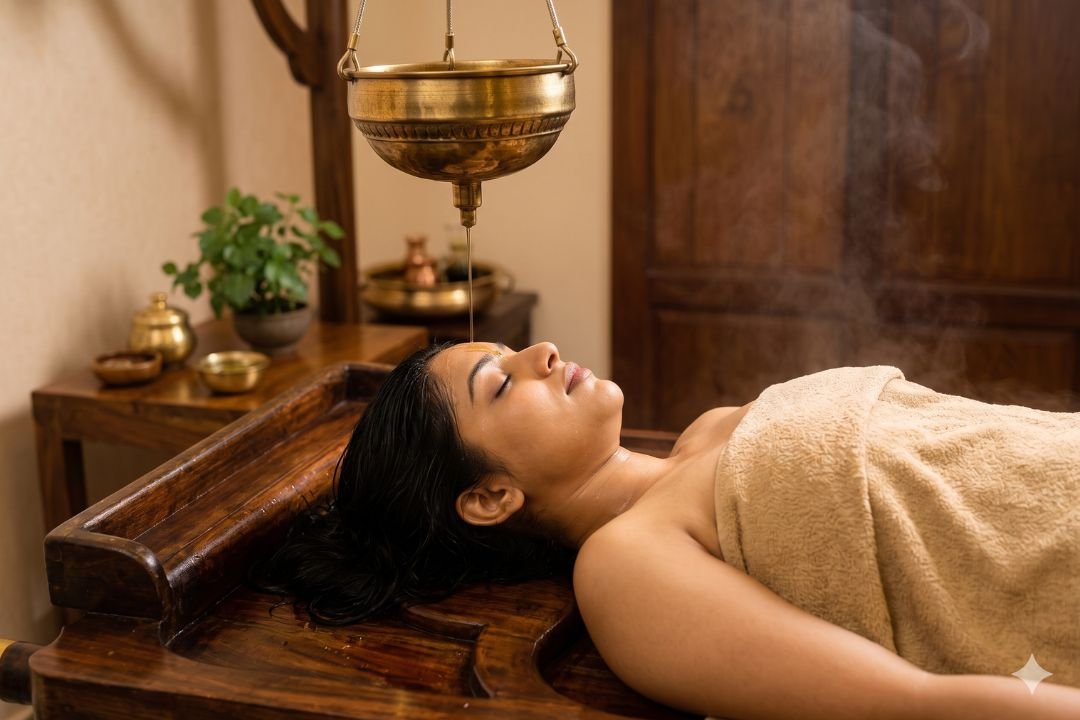
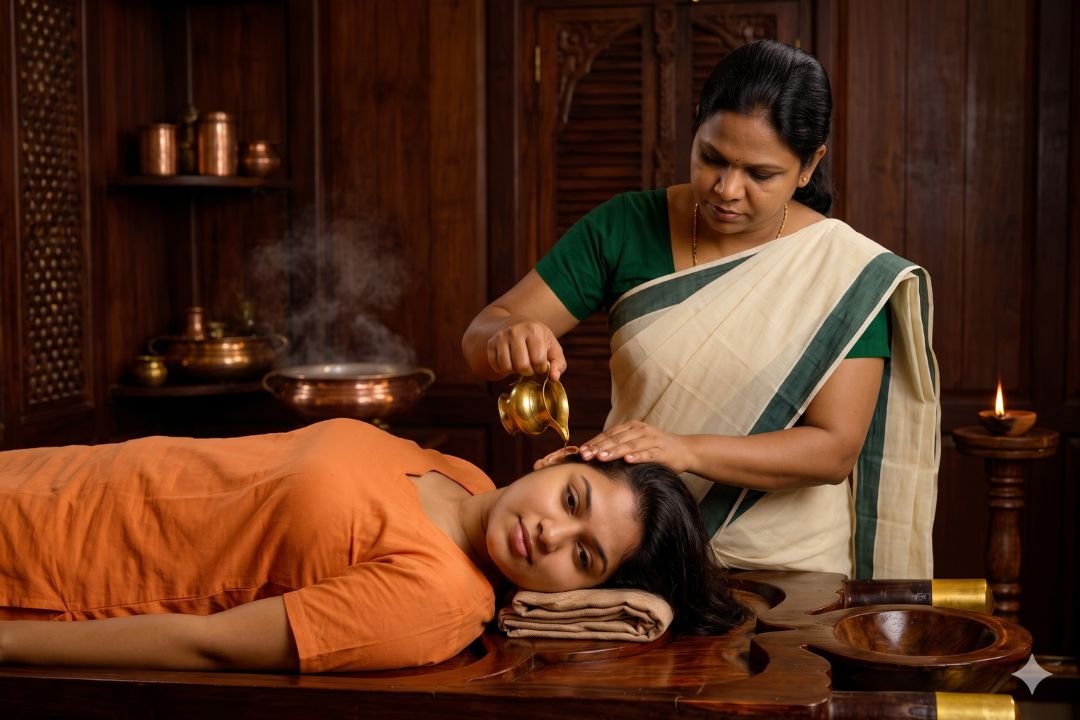
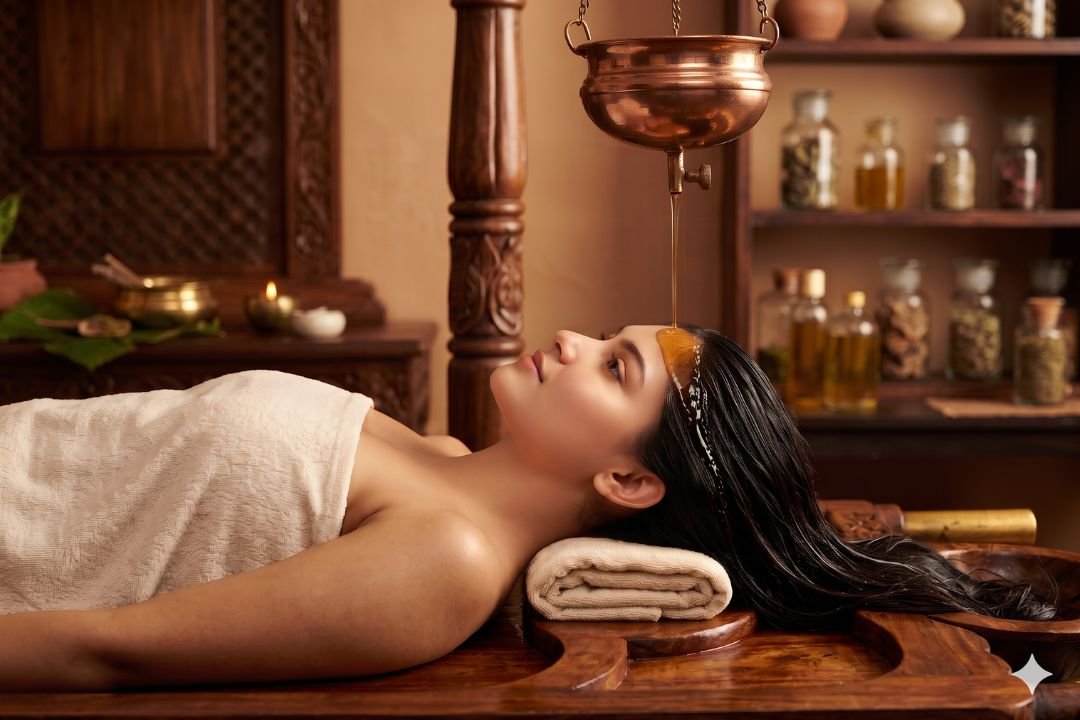
Shirodhara is a specialised Ayurvedic therapy in which an appropriately selected liquid, commonly medicated oil, is poured in a continuous and controlled stream over the forehead for a prescribed duration.
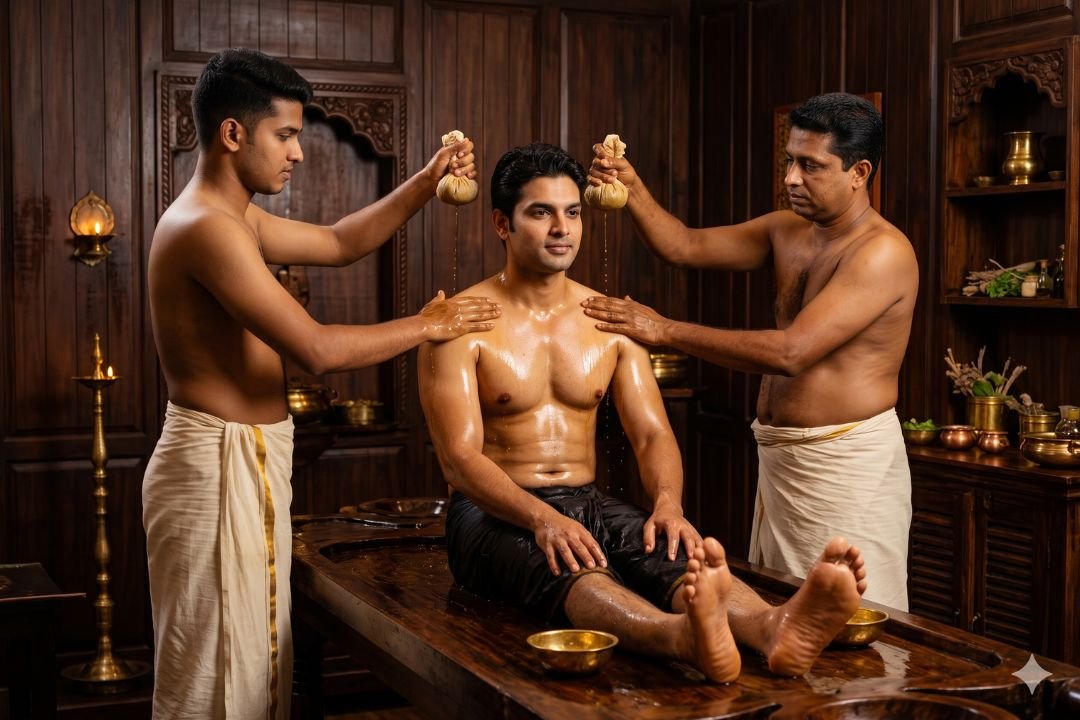
Pizhichil is a traditional Ayurvedic therapy in which warm medicated oil is gently and continuously poured over the body or selected body areas, often combined with therapeutic massage.
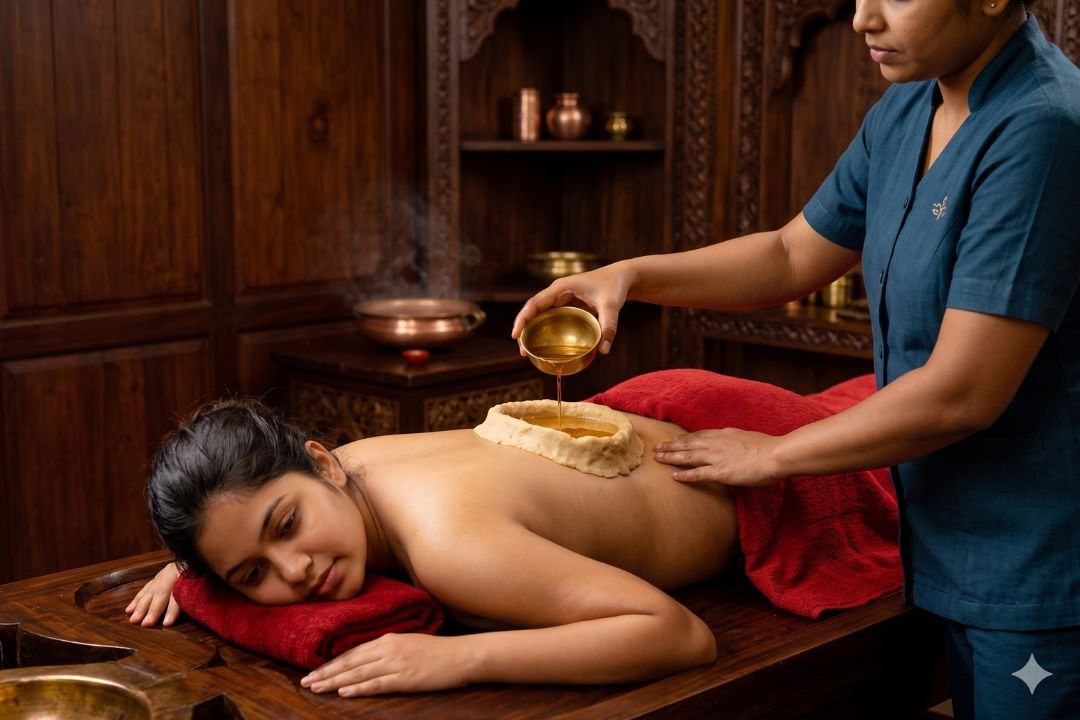
Kati Basti is a local Ayurvedic therapy in which a specially prepared dough ring is placed over the lower back and filled with comfortably warm medicated oil for a prescribed period.
Janu Basti is a local therapy in which warm medicated oil is retained over the knee joint within a specially prepared dough ring.
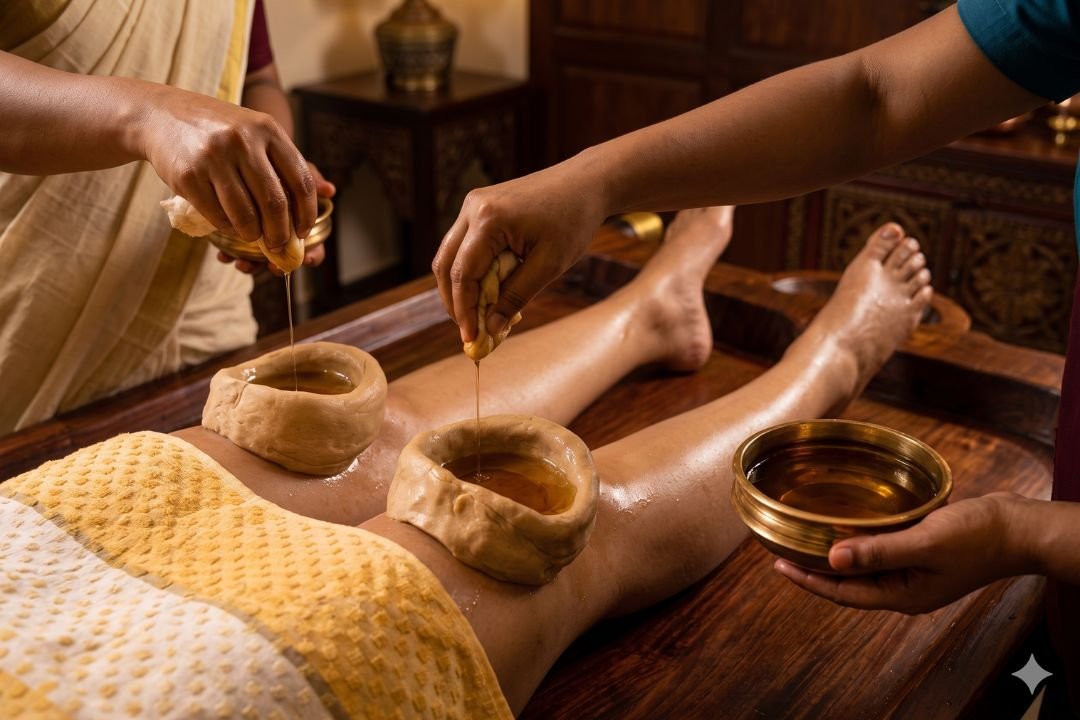
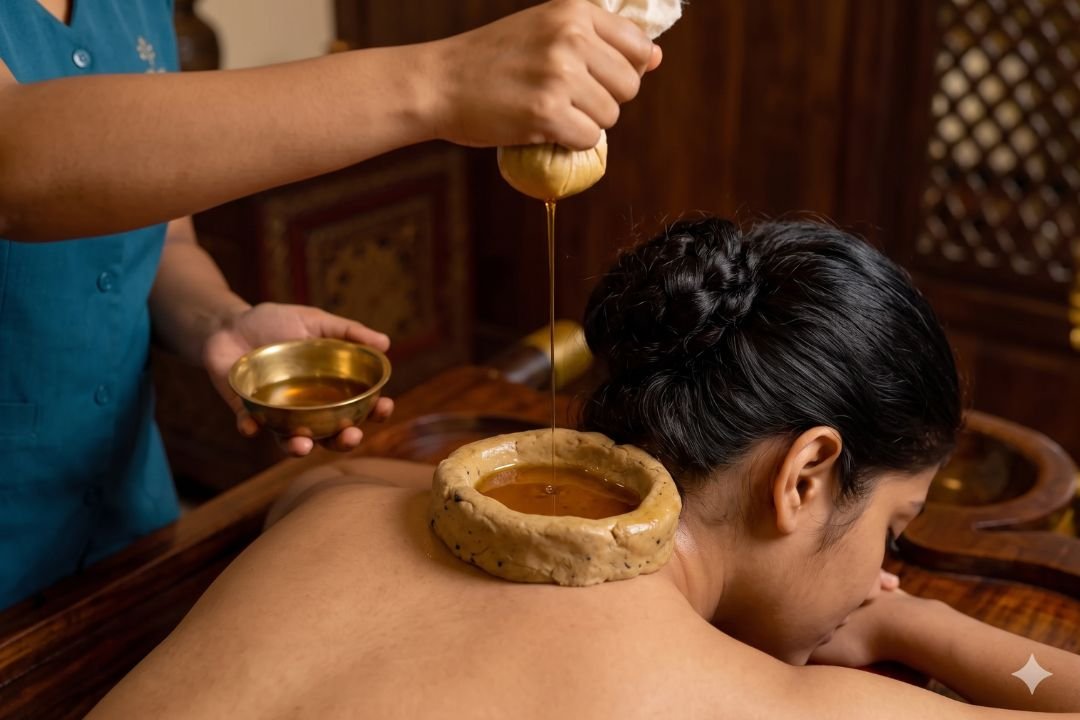
Greeva Basti is a local Ayurvedic therapy in which warm medicated oil is retained over the neck region within a specially prepared dough ring.
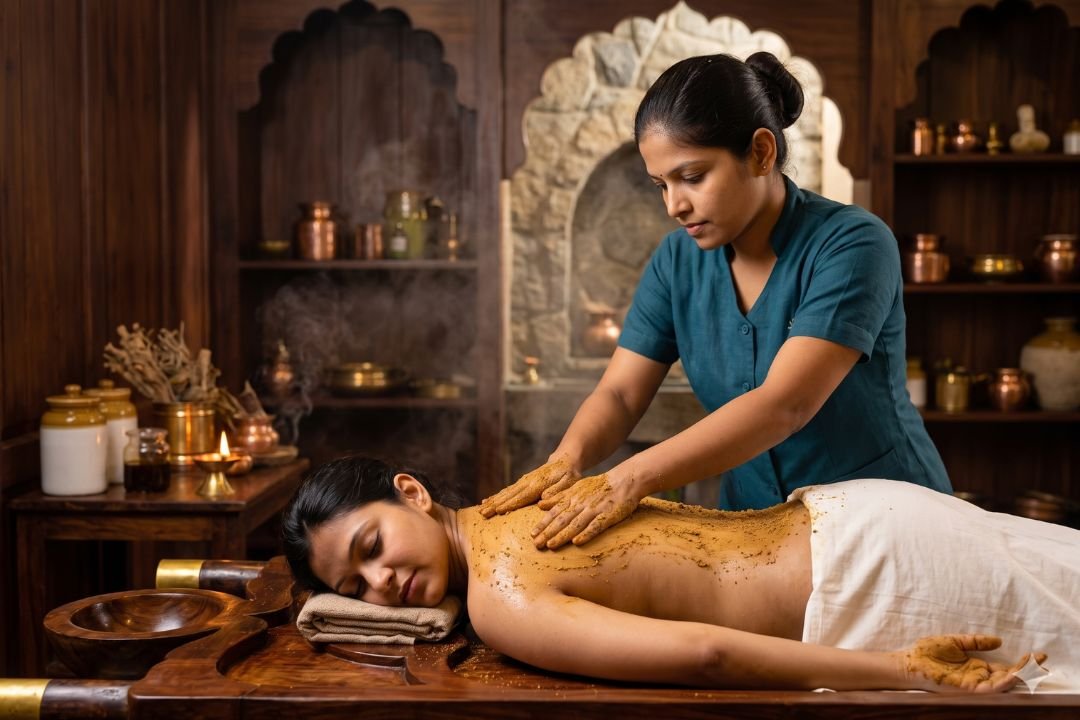
Udvartana is a traditional Ayurvedic dry massage performed using specially selected herbal powders.
Karnapoorana is a traditional Ayurvedic procedure involving the therapeutic application of appropriately selected medicated oil or liquid in the ear, when clinically indicated.
Netra Tarpana is a traditional Ayurvedic eye-care procedure in which appropriately selected medicated ghee or other prescribed preparation is retained around the eyes for a specified duration using a specially prepared setup.
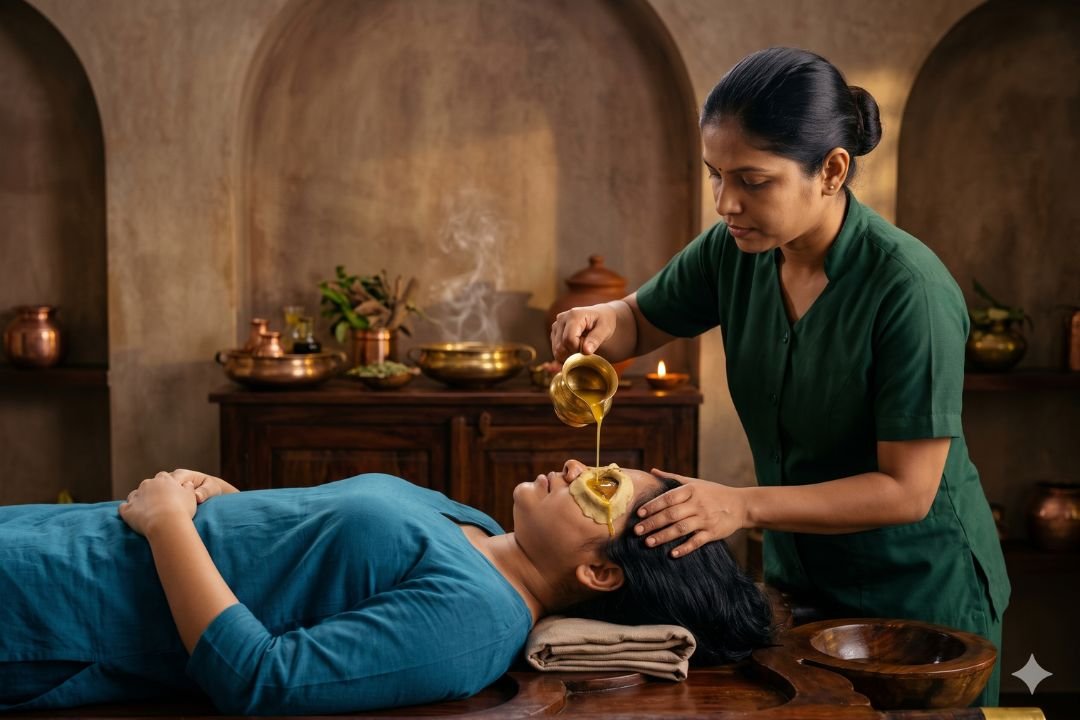
Pichu involves placing cotton or gauze soaked with appropriately selected medicated oil or prescribed preparation over a specific body area for a defined period.
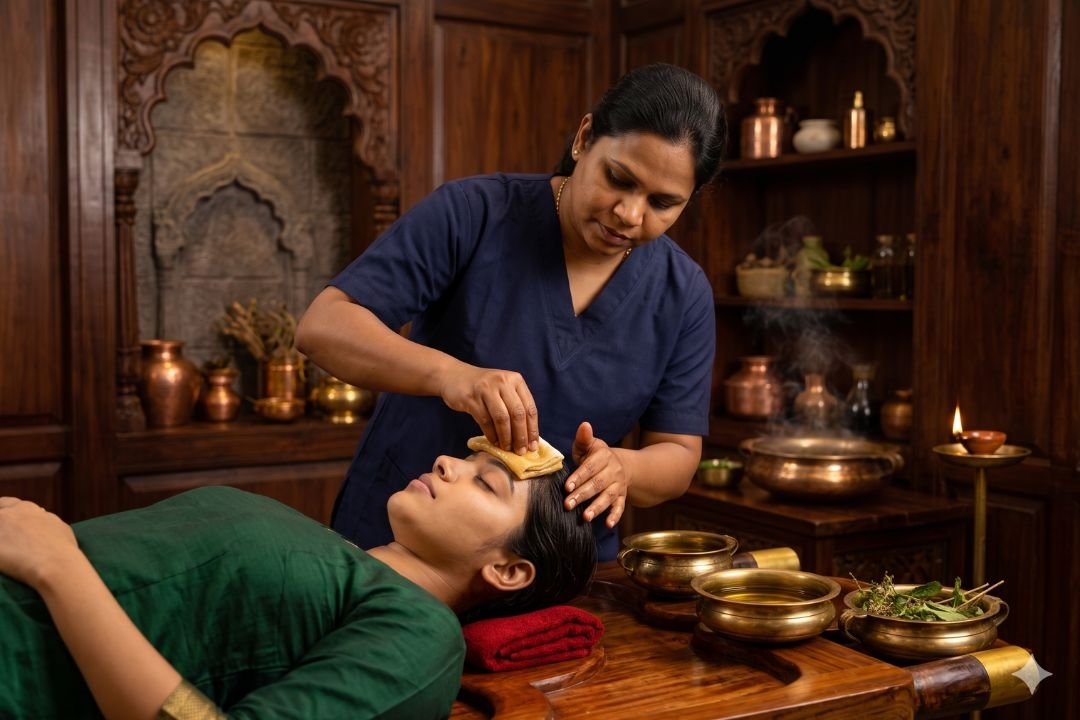
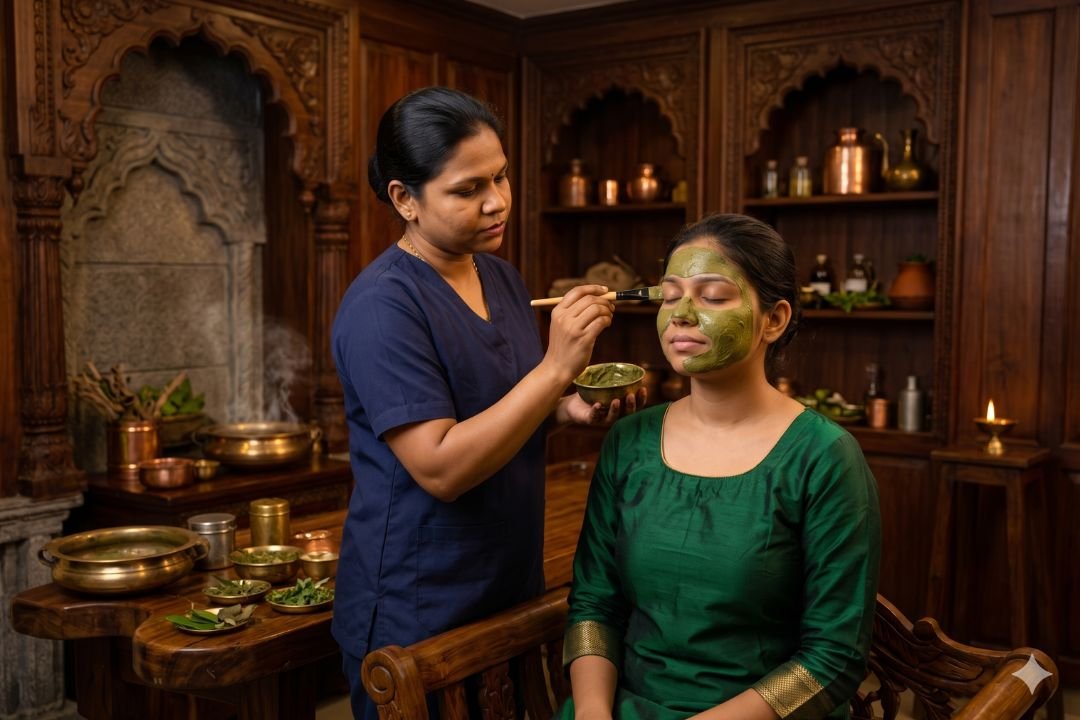
Lepa involves the external application of a prescribed herbal medicinal paste over a selected area of the body.
Dhara is an Ayurvedic therapy in which an appropriately selected liquid, such as medicated oil, herbal decoction, milk, buttermilk or another prescribed preparation, is poured continuously over a selected body area.
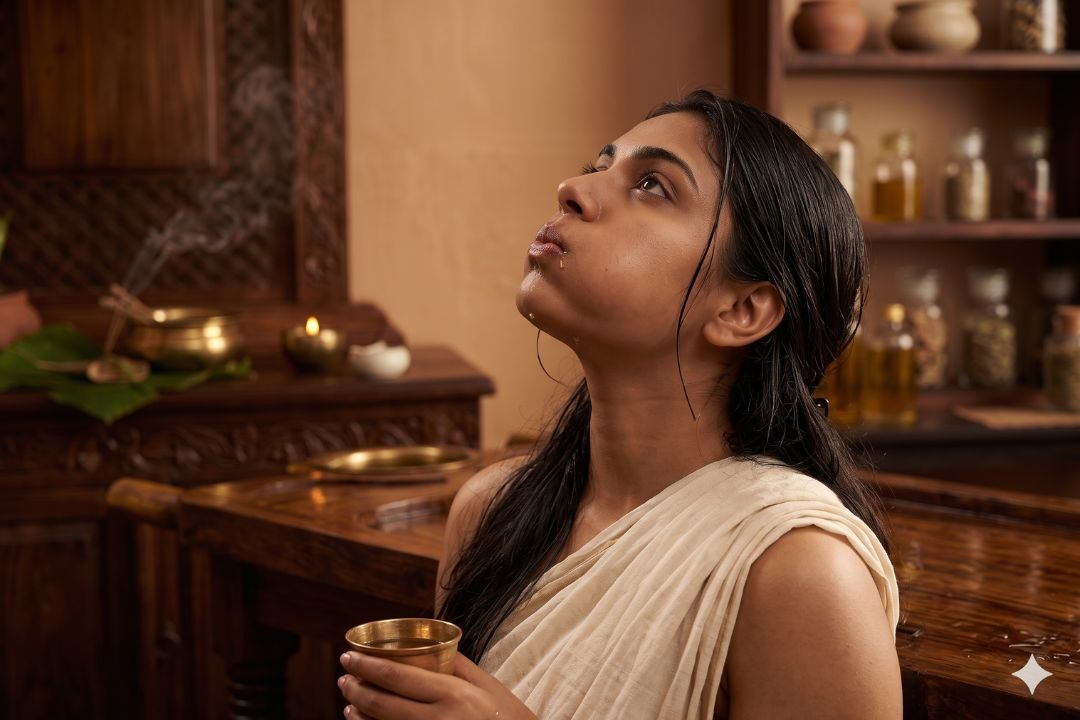
Kavala and Gandusha are traditional Ayurvedic oral-care procedures in which an appropriately prescribed oil, herbal preparation or decoction is retained or used for rinsing the mouth according to the specific technique.
Based on individual Ayurvedic assessment, Panchakarma and supportive Ayurvedic therapies may be considered as part of the management plan for selected conditions such as:
Panchakarma is not necessary or appropriate for every condition or every individual. The selection of a procedure depends on the patient’s Prakriti, Dosha status, age, strength, disease condition, digestive capacity, medical history and other relevant health factors.
Every treatment programme is customised according to the individual's health condition and therapeutic requirements.
Therapies are selected according to established Ayurvedic principles and clinical assessment.
Panchakarma procedures are performed under the supervision of appropriately qualified Ayurvedic professionals.
The treatment approach may consider symptoms, diet, lifestyle, sleep, physical activity and overall well-being.
Appropriate dietary and lifestyle recommendations may be provided before, during and after treatment.
Treatment response is monitored and the programme may be modified according to the patient's needs.
The treatment begins with a detailed consultation and Ayurvedic assessment by a qualified physician.
Based on the assessment, the physician determines whether Panchakarma is appropriate and selects the most suitable procedure.
Where clinically indicated, preparatory procedures such as Snehana and Swedana may be used before the main Panchakarma procedure. The type and duration of preparation vary according to the individual patient.
The selected Panchakarma or supportive Ayurvedic procedure is performed according to an individualised protocol under appropriate professional supervision.
After the procedure, the patient receives appropriate guidance regarding:
Panchakarma may be considered for appropriately selected individuals who require Ayurvedic therapeutic management. However, suitability depends on factors such as:
A detailed consultation is therefore essential before beginning Panchakarma.
Choose the appropriate Ayurvedic therapy under the guidance of a qualified Ayurvedic physician.